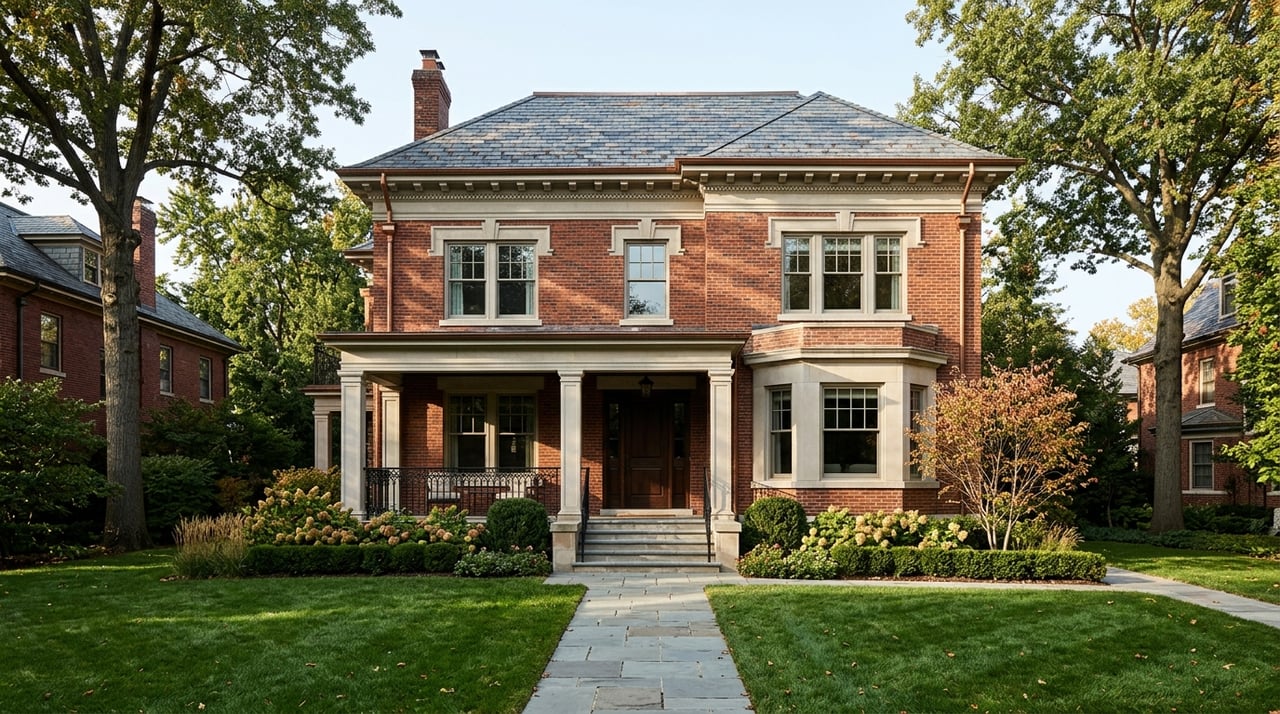
Thinking about selling a historic home in Kenwood can feel like balancing two goals at once. You want to protect the character that makes your property special, but you also want a smooth, profitable sale. With the right preparation, pricing, and documentation, you can do both. Let’s dive in.
Why Kenwood history matters
Kenwood is home to designated Chicago Landmark districts, including the Kenwood District and North Kenwood. The Kenwood District, designated in 1979, is known for large single-family homes, spacious lots, and a wide range of architectural styles such as Italianate, Colonial Revival, Queen Anne, and Prairie School.
That historic context matters when you sell. In Chicago, landmark properties and homes within landmark districts are regulated historic resources, which means some exterior work, demolition, and new construction may be subject to the city’s landmark permit review process. In landmark districts, the city generally focuses on exterior elevations visible from the public right-of-way.
For you as a seller, this creates both responsibility and opportunity. It means buyers may have questions about what has been changed, what is original, and what rules apply. It also gives your home a real story to tell, especially when architecture, craftsmanship, and preserved details are part of the appeal.
Start with condition, not over-updating
When selling a historic home in Kenwood, a repair-first strategy is often the smartest move. The goal is not to erase the home’s age or character. The better approach is to present the property as well maintained, structurally sound, and thoughtfully cared for.
That usually means tackling the issues that can shake buyer confidence or raise appraisal concerns. Focus first on visible and functional problems, including:
- Roof leaks
- Masonry deterioration
- Water intrusion
- Failing mechanical systems
- Exterior issues that suggest deferred maintenance
Historic homes should generally keep original materials and character-defining features where feasible. If repairs are needed, preserving and repairing older elements is often better than replacing them with something that feels out of place.
Check landmark review before exterior work
If you plan to do visible exterior work before listing, check Chicago’s landmark guidance early. The city offers a pre-permit submission process that can help clarify requirements and may speed review.
This step can matter if you are considering changes to windows, masonry, porches, trim, roofing details, or other exterior features visible from the street. Waiting too long can create delays just when you want to bring the home to market.
To prepare for that process, the city asks for materials such as:
- Clear existing-condition photos
- Historical or archival materials when needed
- Proposed specifications or product information
- Drawings showing existing and proposed work
Routine maintenance is treated differently in many cases. Chicago notes that painting and minor repairs do not require a building permit, which can reassure buyers who worry that every small task on a landmark property involves a major approval process.
Build a pre-listing file buyers will trust
Historic-home sales often move more smoothly when you can answer questions quickly and clearly. A strong pre-listing file helps reduce uncertainty for buyers, appraisers, and attorneys.
Start by gathering the documents you already have, then fill in gaps where possible. Useful items may include:
- Old permits
- Rehab invoices
- Contractor warranties
- Architectural drawings
- Historic photographs
- Surveys
- Before-and-after photos
- Product specifications for completed work
The Chicago Historic Resources Survey can also help you verify a property’s construction date, architect, style, type, landmark status, and PIN. Still, the city says the survey may be incomplete or contain errors, so it should be used as a starting point rather than the final word.
When this file is organized before your home goes live, it becomes a practical selling tool. It helps answer common questions like what was repaired, what was replaced, what was permitted, and what remains original.
Prepare disclosures early
Disclosure planning should begin before you list, not after you accept an offer. For older homes especially, early preparation can prevent stressful surprises during attorney review or inspection.
Illinois requires sellers to complete the Residential Real Property Disclosure Report before contract signing. If you learn that a disclosure has become inaccurate before closing, you must supplement it. The form is based on your actual knowledge, and the state makes clear that it is not a substitute for a buyer’s inspection.
If your Kenwood home was built before 1978, lead-based paint disclosure rules may also apply. Known lead-based paint hazards must be disclosed before the sale of most pre-1978 housing, and if renovation or repair work disturbs lead paint, lead-safe certified contractors should handle that work.
Illinois also requires radon disclosure materials for most residential sales. At the same time, state law does not require a seller to test for radon or complete mitigation before selling.
Handling disclosures up front is more than a paperwork exercise. Illinois law gives buyers certain termination rights in some situations when a disclosure report with material defects is delivered after contract signing, which is one more reason to get organized early.
Price with comps, not assumptions
Historic homes can be unique, but pricing still has to be grounded in the market. In March 2026, Redfin reported that Kenwood had a median sale price of $345,500, a median of 86 days on market, and a somewhat competitive market.
That does not mean your home should be priced at the neighborhood median. It does mean buyers are watching value closely, and your pricing strategy should reflect actual sold comparables, current condition, and how your home fits into the available inventory.
Appraisers typically look for comparable sales in the same neighborhood or market area with similar physical and legal characteristics. They also focus on basics such as condition, site, room count, finished area, style, and recent market trends.
For a historic home, direct comps may be limited. In those cases, appraisers may use older sales or properties from competing neighborhoods, but they must explain why those sales are the best indicators of value. That is why smart pricing and strong documentation work together.
Market the character that sets your home apart
Historic-home marketing should do more than list bedroom counts and square footage. In Kenwood, your home may have value tied to architectural pedigree, preserved materials, craftsmanship, lot size, and the overall setting within a landmark district.
The official description of the Kenwood District highlights large residences, notable architects, and a strong mix of historic styles. That gives you a credible framework for telling the story of your home in a way that is factual, specific, and compelling.
A strong marketing plan should highlight features such as:
- Original millwork or trim
- Masonry detail
- Period windows or doors
- Distinctive rooflines
- Historic floor plan features
- Spacious lot context
- Documented renovations that respect the home’s character
Professional photography and floor plans are especially important here. Historic homes are often judged by visible condition, flow, and preserved detail, so strong visuals can help buyers understand the value before they ever step inside.
Anticipate appraisal and buyer questions
Buyers are often drawn to historic homes emotionally, but they still make decisions based on clarity and confidence. The more uncertainty you remove, the easier it is for them to move forward.
Expect questions about maintenance, restrictions, updates, and documentation. Buyers may want to know what approvals were needed for past work, whether major systems have been addressed, and how landmark status affects future changes.
This is where a complete seller package becomes an advantage. If you can show permits, invoices, timelines, photos, and clear disclosures, you reduce the risk that buyers assume every older feature is a hidden problem.
Landmark status itself can also be part of the value conversation. Chicago states that designation is often viewed by some buyers and agents as a selling point, does not directly affect property taxes, and generally has not shown a negative impact on property values.
A practical strategy for Kenwood sellers
If you want the best possible result, think of your sale in three parts: stabilize, document, and position. First, resolve the issues that affect condition and confidence. Next, organize records so buyers and appraisers can follow the home’s story. Then bring the property to market with pricing and visuals that match its true place in Kenwood.
That approach fits both the neighborhood and the current market. In a somewhat competitive environment where median days on market reached 86 in March 2026, careful preparation can help your home stand out for the right reasons.
Selling a historic home is rarely about doing the most. It is about doing the right things in the right order, while preserving the details that make the property worth noticing in the first place.
If you are preparing to sell a historic home in Kenwood, Vergis Eiland offers white-glove guidance, strategic pre-listing support, customized marketing, and full transaction coordination to help you present your property with clarity and confidence.
FAQs
What makes a Kenwood home historic when selling?
- A Kenwood home may be considered historic if it is located within a designated Chicago Landmark district such as the Kenwood District or North Kenwood, or if it has recognized architectural or historical significance.
What repairs should you make before selling a historic home in Kenwood?
- Focus first on issues that affect condition and buyer confidence, such as roof leaks, masonry deterioration, water intrusion, failing systems, and visible deferred maintenance.
What exterior changes require review for a Kenwood landmark property?
- In Chicago landmark districts, proposed alterations, demolition, and new construction may require review, especially for exterior elevations visible from the public right-of-way.
What documents help when selling a historic home in Kenwood?
- Helpful documents include permits, invoices, warranties, drawings, surveys, historic photos, and before-and-after photos that show what is original, repaired, or replaced.
What disclosures apply when selling an older home in Illinois?
- Illinois sellers generally need the Residential Real Property Disclosure Report, radon disclosure materials for most residential sales, and lead-based paint disclosures for most pre-1978 homes.
How should you price a historic home in Kenwood?
- Price should be based on actual sold comparables, current condition, and the home’s physical and legal characteristics, even when the property has unique historic features.