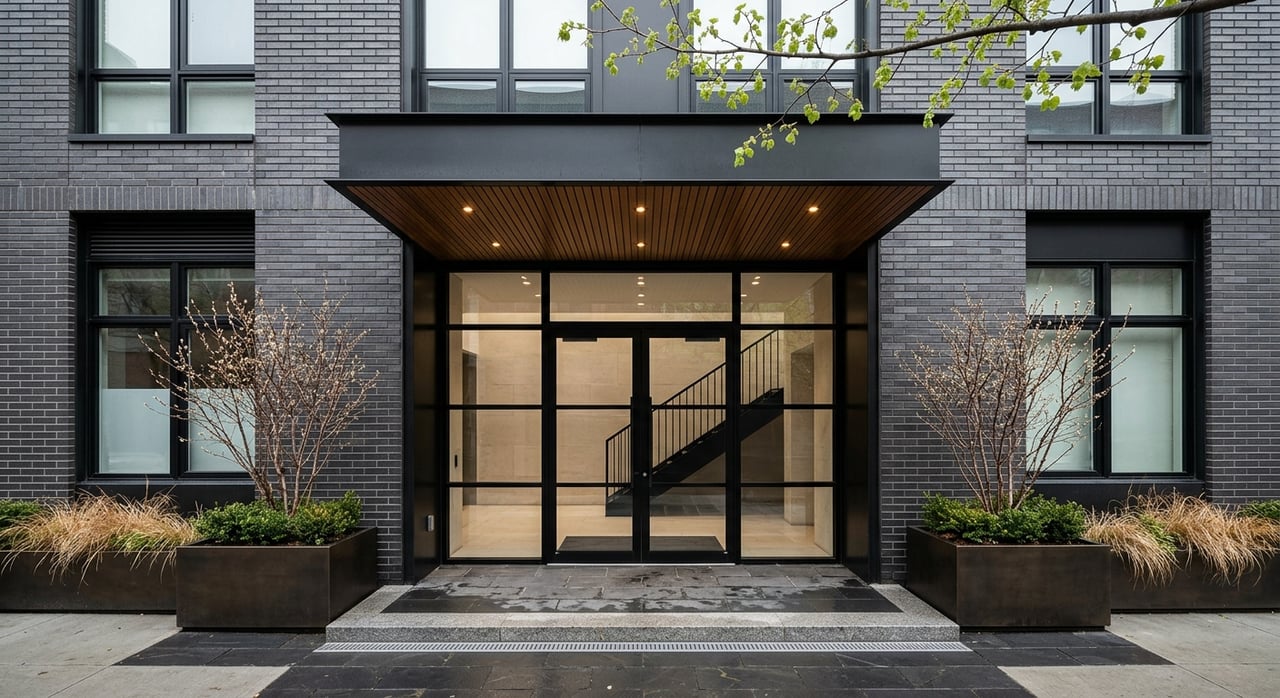
Buying a condo in South Loop can feel simple at first. You find a great unit, like the finishes, and picture yourself moving in. But in this part of Chicago, the building you choose can matter just as much as the unit itself. If you want to make a smart move, you need to look beyond countertops and views and focus on location, building type, HOA health, and resale flexibility. Let’s dive in.
South Loop Is A Block-By-Block Market
South Loop is not one uniform condo market. According to Choose Chicago’s South Loop neighborhood overview, the area includes Museum Campus, Motor Row, the Prairie Avenue District, and Printers Row, each with a different setting and building style.
That matters because a condo tower near the lakefront can offer a very different ownership experience than a historic loft conversion in Printers Row or a high-rise closer to McCormick Place. When you compare buildings in South Loop, you are often comparing different lifestyles, maintenance patterns, and future buyer appeal.
Start With Micro-Location
In South Loop, small location differences can change your day-to-day experience. Buildings near Museum Campus, Soldier Field, McCormick Place, and other major destinations may see more event traffic, visitor parking pressure, and weekend congestion because the neighborhood sits within Chicago’s Central District, which includes those major anchors, as outlined by the Chicago Commission on Public Safety and Accountability.
If you prefer a quieter feel, an interior street may suit you better. If you want quick access to the lakefront, museums, or major events, a busier location may be worth it. The right choice depends on how you actually plan to live in the neighborhood.
Compare South Loop Subareas Carefully
Before you choose a building, think about which part of South Loop fits your routine best:
- Museum Campus area for lakefront access and proximity to cultural destinations
- Prairie Avenue District for a historic setting and established streetscape
- Motor Row for a location near entertainment and event venues
- Printers Row for loft-style buildings in a former printing district that was later converted to residential use
These are not just style differences. They can shape noise levels, traffic patterns, parking convenience, and resale audience.
Transit Access Should Influence Your Building Choice
Transit is a major part of condo living in South Loop. The CTA’s Roosevelt station page shows that Roosevelt serves the Red, Orange, and Green lines, with bus connections and access to nearby Metra service. CTA also notes that Cermak-McCormick Place is an accessible Green Line stop, and Metra’s Museum Campus/11th Street station serves another part of the neighborhood.
That means you should not just ask whether a building is “near transit.” You should check which lines are closest, how long the real walk feels, and whether that route works well for your daily routine. Research also notes that as of March 2026, State/Lake is closed for reconstruction through 2029, so northbound transfer patterns into the Loop may take more planning for some buyers.
Building Type Changes The Ownership Experience
One of the biggest mistakes buyers make in South Loop is treating all condo buildings the same. They are not. A newer tower, a historic loft conversion, and a redevelopment-era high-rise may all offer good opportunities, but they often come with very different layouts, systems, budgets, and maintenance expectations.
Choose Chicago’s overview of Printing House Row highlights how former commercial buildings were rehabilitated for residential and mixed use. That history matters because older conversions may have different floor plans, storage options, parking setups, and long-term repair needs than newer construction.
Ask What The Building Was Designed To Be
When you tour a South Loop condo building, ask questions like:
- Was this built as a residential tower or converted later?
- How old are the major building systems?
- Does the layout fit your daily needs, or just look interesting on a showing?
- Are parking, storage, and shared spaces practical for how you live?
A charming loft building and a full-amenity high-rise can both be good choices. The better fit is the one that matches your priorities, not just your first impression.
Look Past Amenities And Focus On Cost
Amenities can be a real plus in South Loop, but only if you will actually use them and the building can afford to maintain them. Illinois law requires condominium budgets to provide reasonable reserves and to consider repair and replacement costs, useful life, investment return, the impact of assessment increases on owners and unit values, and the association’s ability to finance or refinance, as set out in the Illinois Condominium Property Act budget provisions.
In simple terms, a long amenity list is not enough. You want to know whether the HOA budget supports those amenities in a sustainable way. A building with polished common areas and attractive extras may still create future cost pressure if reserves are thin or maintenance planning is weak.
When Amenities Can Raise Questions
Financing rules also matter here. Fannie Mae’s ineligible project guidance warns against condo projects that operate like hotels, motels, or resorts, including rental-pooling or daily short-term-rental structures.
That does not mean amenity-rich buildings are a problem by default. It does mean you should separate standard condo features from hotel-style arrangements that could complicate financing or narrow your future buyer pool.
HOA Health Is Often The Biggest Hidden Factor
The building’s financial health may be the most important part of your decision. Illinois resale law gives buyers access to key association documents, including the declaration, bylaws, rules and regulations, unpaid assessment information, anticipated capital expenditures for the current and next two fiscal years, reserve fund status, financial condition, pending suits or judgments, and insurance coverage under the Illinois Condominium Property Act resale disclosure rules.
These documents can tell you much more than a listing ever will. They can show whether a building is well-managed, well-capitalized, and likely to avoid surprise costs.
What To Review Before You Commit
When reviewing a South Loop condo building, focus on:
- Current budget
- Reserve balance and reserve planning
- Planned capital projects
- Pending litigation or judgments
- Delinquent assessments
- Insurance coverage
- Rules and regulations
A building with lower monthly dues is not always the better value. If reserves are weak or maintenance is deferred, the long-term cost of ownership can rise fast through special assessments or financing issues.
Financing Rules Can Affect Your Options
Condo financing is not only about your credit or down payment. The project itself matters. Fannie Mae’s full review process and Freddie Mac guidance noted in the research report treat reserve strength, litigation, owner-occupancy, and single-entity ownership as material factors in condo eligibility.
For buyers, that means some South Loop buildings may be easier to finance than others. It can also affect resale later, because the easier a building is to underwrite, the broader your future buyer pool may be.
Check Leasing And Pet Rules Early
Leasing rules and pet rules are not minor details. They are part of the building’s value and flexibility. Illinois law makes the declaration, bylaws, and rules applicable to both owners and tenants, and boards may adopt and amend rules governing use of the property, according to the Illinois Condominium Property Act.
That means you should confirm any leasing caps, minimum lease terms, board approval requirements, move-in rules, and pet restrictions before you move forward. Even if you plan to live in the unit long term, your future plans can change.
Why Rule Flexibility Matters
If you may relocate later, rental rules could become very important. If you have a pet, you need to know the building’s current policy before you make an offer. And while buildings may have pet restrictions, HUD’s guidance on assistance animals explains that an assistance animal is not considered a pet under fair housing rules.
The key point is simple: rules shape both your day-to-day experience and your exit strategy. Review them with the same care you give to the unit itself.
A Simple South Loop Building Checklist
If you are comparing multiple buildings in 60605, this checklist can help keep your search focused:
- Exact location relative to Roosevelt, Cermak, Museum Campus, McCormick Place, and the lakefront
- Building type, such as newer tower, loft conversion, or redevelopment project
- HOA budget strength and reserve status
- Planned capital expenses and any sign of deferred maintenance
- Pending litigation or financing concerns
- Leasing rules, pet rules, and owner-occupancy profile
- Whether amenities match your lifestyle and monthly budget
- How the building may perform for resale later
The Right Building Matches Your Life
The best South Loop condo building is usually not the one with the flashiest lobby or the longest amenity list. It is the one where micro-location, building type, HOA health, and rules all line up with your commute, budget, lifestyle, and long-term plans.
That is where expert guidance can save you time and money. When you work with a broker who understands how South Loop buildings differ from one block to the next, you can make a more confident decision and avoid costly surprises. If you are planning a South Loop condo purchase, connect with Vergis Eiland for thoughtful, white-glove guidance tailored to your goals.
FAQs
What matters most when choosing a South Loop condo building?
- The biggest factors are micro-location, building type, HOA financial health, transit access, and the building’s rules on leasing, pets, and occupancy.
How does location within South Loop affect condo living?
- Different parts of South Loop have different traffic patterns, noise levels, transit access, and proximity to destinations like Museum Campus, McCormick Place, and the lakefront.
Why should South Loop condo buyers review HOA documents?
- HOA documents can reveal reserve levels, planned capital expenses, litigation, insurance details, and rules that may affect your monthly cost, financing, and future resale.
Are amenity-rich South Loop condo buildings always better?
- Not always. Amenities only add value if you will use them and if the HOA budget can support them over time without creating future cost pressure.
Do leasing rules matter if you plan to live in the condo?
- Yes. Even if you plan to owner-occupy now, leasing rules can affect your flexibility later and may also influence the building’s financing and resale appeal.
Why can financing vary between South Loop condo buildings?
- Lenders may review reserve funding, owner-occupancy, litigation, delinquent dues, and project structure, so some buildings are easier to finance than others.