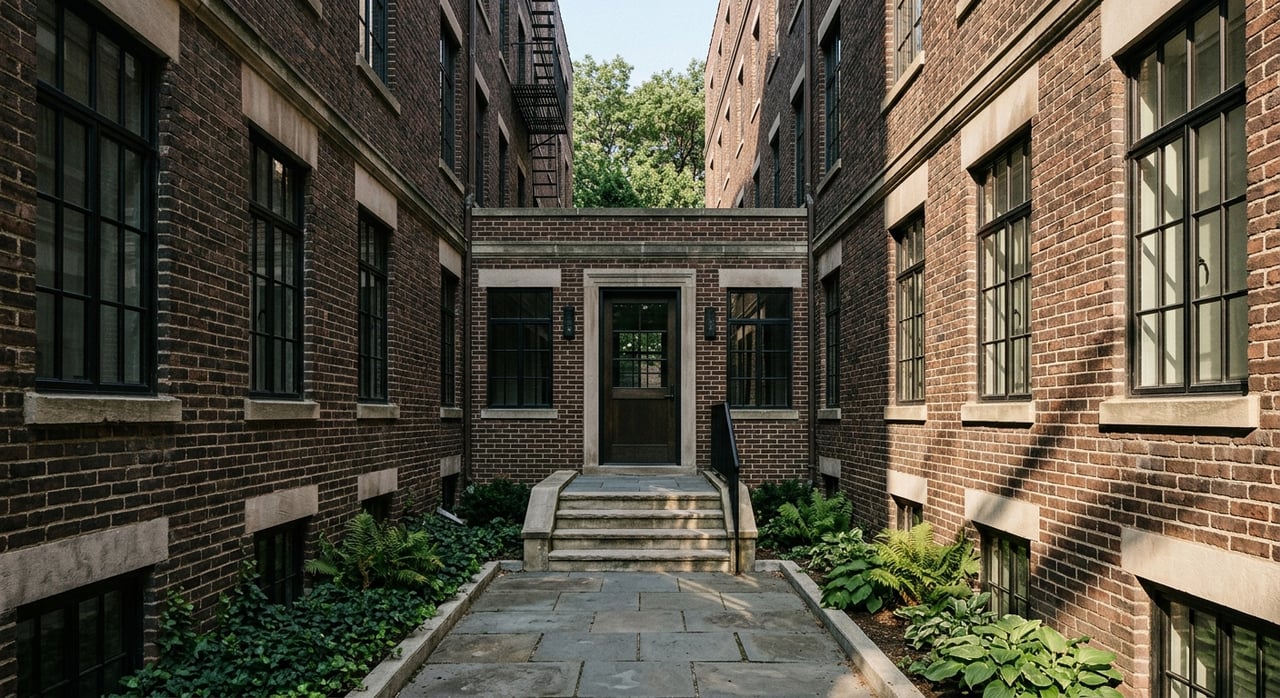
Trying to choose between Woodlawn and Hyde Park? You are not alone. These neighboring South Side markets can look similar on a map, but they often deliver very different day-to-day experiences, housing options, and price points. If you are weighing lifestyle, budget, or long-term goals, this guide will help you see where each neighborhood stands today and which one may fit your move best. Let’s dive in.
Woodlawn vs. Hyde Park at a Glance
If you want the shortest answer, Hyde Park is generally the more established, amenity-rich, and condo-oriented option. Woodlawn is typically the more value-forward, small-multifamily-friendly, and future-focused market.
That does not mean one is better than the other. It means each neighborhood tends to serve a different kind of buyer, depending on how you want to live and what type of property you want to own.
Hyde Park Feel and Lifestyle
Hyde Park is a historic lakefront neighborhood about seven miles south of the Loop. The area is widely known for its college-town feel, active pedestrian streets, parks, beaches, restaurants, cafes, and strong institutional presence.
The University of Chicago is one of Hyde Park’s biggest anchors, and that shapes the neighborhood in a major way. Along with campus life, you also have major destinations like the Museum of Science and Industry, Robie House, Court Theatre, the Smart Museum, and other cultural spots that give the area a more self-contained feel.
For many buyers, Hyde Park feels convenient and established. If you want to be near the lake, close to transit, and surrounded by a dense mix of shops, institutions, and cultural amenities, Hyde Park often checks those boxes quickly.
Woodlawn Feel and Lifestyle
Woodlawn sits right next to Hyde Park and offers a different kind of neighborhood texture. It is closely tied to Jackson Park, local businesses, community gardens, the 63rd Street corridor, and a strong sense of community development.
Compared with Hyde Park, Woodlawn often feels more residential and more block-by-block in character. It is frequently described through its activism, historic churches, small multifamily buildings, and ongoing reinvestment story.
For buyers, that can be appealing for a few reasons. You may find more variety in building types, more room to weigh value, and a clearer sense that parts of the neighborhood are evolving in visible ways.
Housing Types: What You Are More Likely to Find
Hyde Park Housing Mix
Hyde Park is dominated by larger multifamily living. According to DePaul’s Institute for Housing Studies, 62.9% of housing units are in buildings with five or more units, 26.6% are condominiums, 8.3% are single-family homes, and 2.2% are in two- to four-unit buildings.
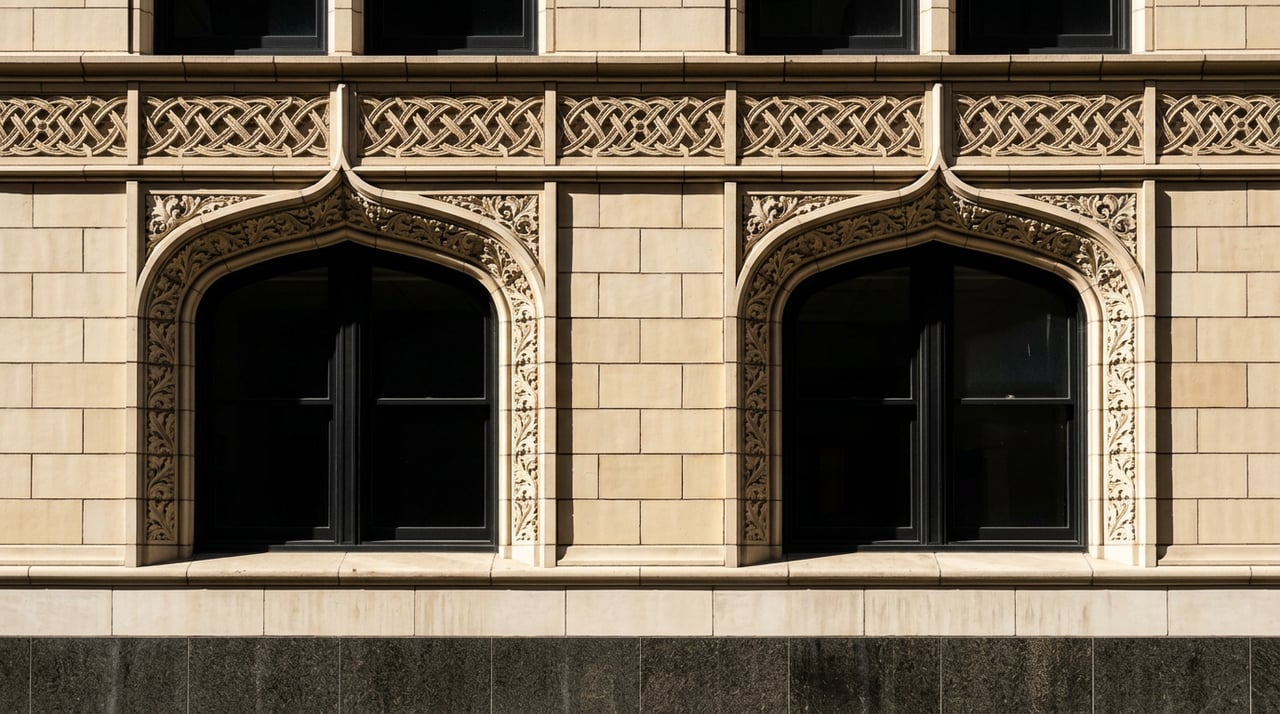
In practical terms, that means your search in Hyde Park is more likely to center on condos and apartment-style ownership. The neighborhood is also known for distinctive architecture, including Victorian homes, pre-Chicago Fire houses, Gothic campus buildings, and Prairie-style landmarks.
Woodlawn Housing Mix
Woodlawn offers a broader spread of housing types, especially if you are interested in smaller multifamily properties. Its housing stock includes 46.3% in buildings with five or more units, 31.6% in two- to four-unit buildings, 13.4% condominiums, and 8.7% single-family homes.
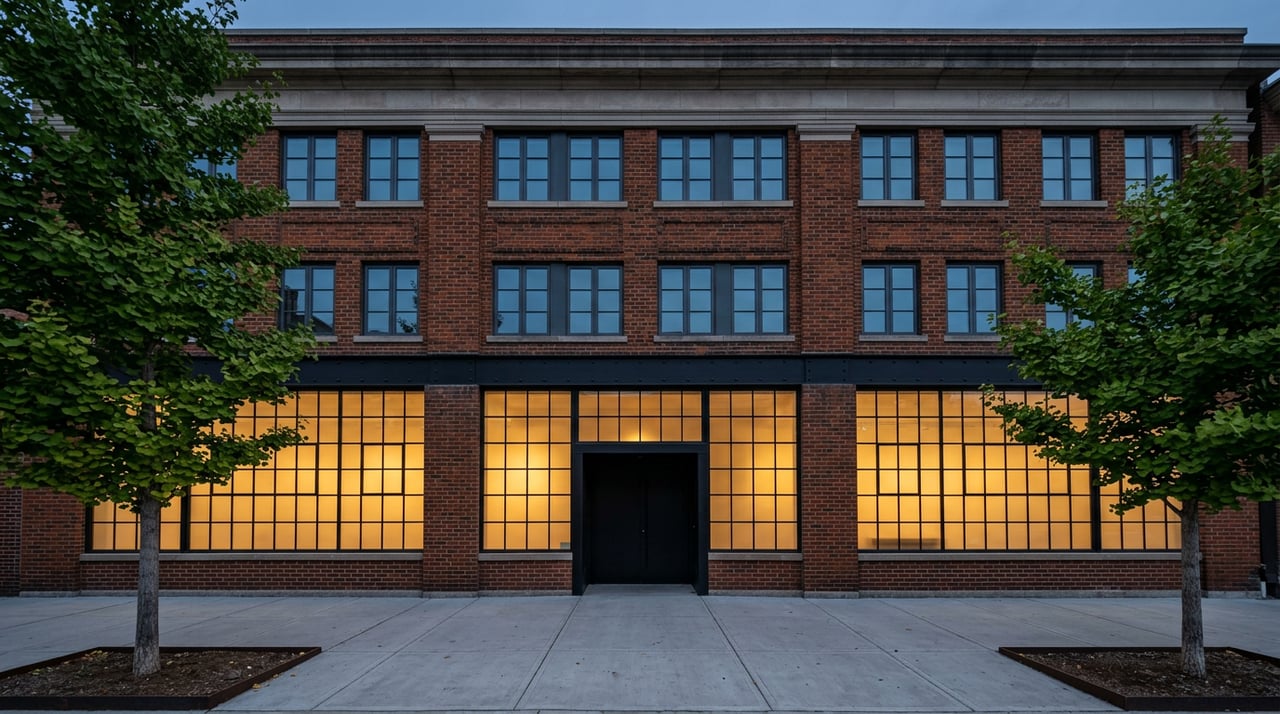
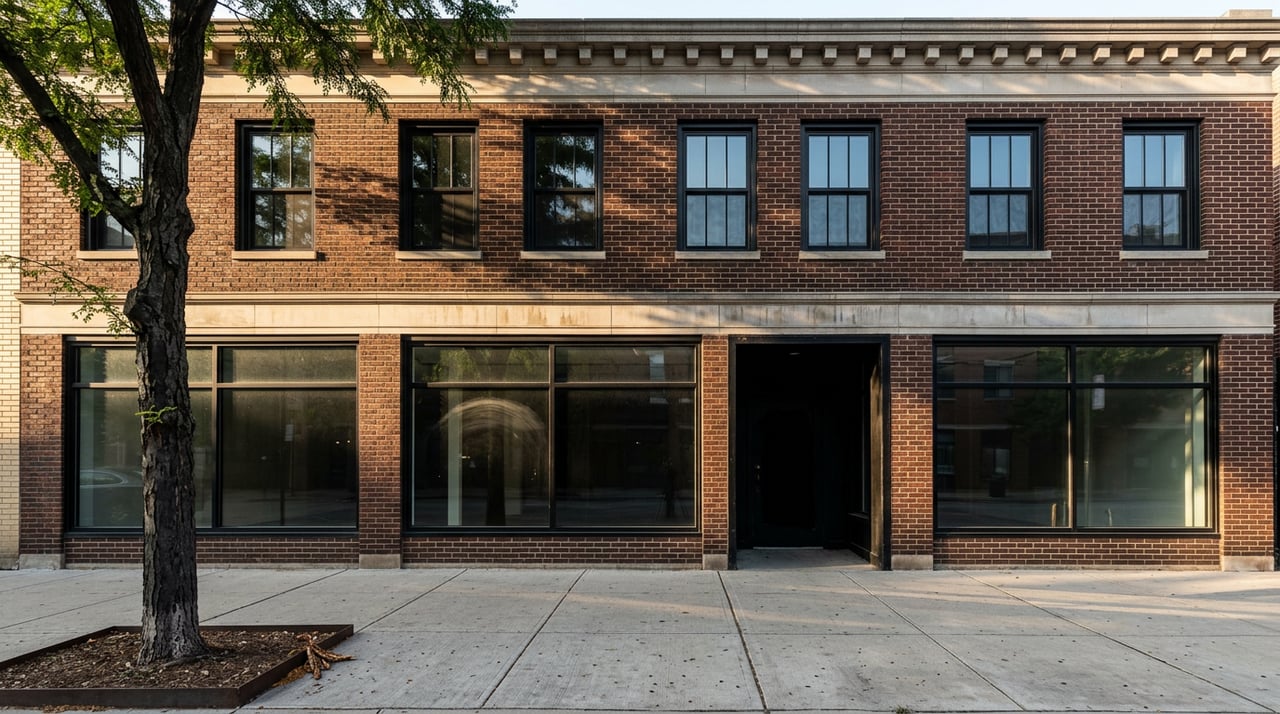
That is a meaningful difference. If you are looking for a two-flat, three-flat, or four-unit building, Woodlawn gives you a materially larger share of that housing type than Hyde Park. The area’s building stock also includes greystones and brick two- and three-flats, which can appeal to both owner-occupants and buyers thinking about long-term flexibility.
Prices and Market Pace
Price is often one of the first comparison points, and the current data shows a split between sold values and active listing snapshots. On sold-price data from Redfin’s March 2026 snapshot, Hyde Park shows a median sale price of $313,000 and $231 per square foot, while Woodlawn shows a median sale price of $288,000 and $170 per square foot.
That tells you Hyde Park carries the higher price-per-square-foot premium. Woodlawn, on the other hand, shows the lower sold-price floor, which may make it the more approachable option for buyers focused on value.
Realtor.com’s listing data adds another layer. Hyde Park shows a median listing price of $297,450, 99 homes for sale, 32 median days on market, and a 97% sale-to-list ratio, while Woodlawn shows a median listing price of $307,500, 159 homes for sale, 48 median days on market, and a 99% sale-to-list ratio.
The cleanest takeaway is not to compare every number dollar for dollar across platforms. Instead, focus on the broader pattern: Hyde Park tends to command a stronger premium per square foot, while Woodlawn currently offers more active inventory and stronger value positioning for many buyers.
Transit and Getting Around
Hyde Park Transit Access
Hyde Park offers strong rail and bus access for a South Side neighborhood. The area is served by the Metra Electric line at 51st and 53rd Street, and the 59th Street/University of Chicago station connects with multiple CTA routes.
Hyde Park also has direct appeal for buyers who want easy lakefront access. Entrances to the Lakefront Trail are available at Hyde Park Boulevard, 55th Street, and 57th Street, which helps support a more connected live-work-play rhythm.
Woodlawn Transit Access
Woodlawn also has solid transit access, though it reads as more corridor-based. The neighborhood is served by Metra stations at 55th-56th-57th Street and 63rd Street, and the 63rd Street station connects to CTA routes including 6, 15, 59, and 63.
Woodlawn also benefits from its connection to Jackson Park and nearby lakefront routes. If outdoor space matters to you, that access can be a major plus in your daily routine.
Major Anchors and Long-Term Appeal
One of the clearest differences between these neighborhoods is what anchors them.
Hyde Park already has a dense concentration of established institutions. The University of Chicago, Museum of Science and Industry, and a wide range of cultural destinations make the neighborhood feel mature, active, and consistently in demand among buyers who want immediate access to those amenities.
Woodlawn’s story is more future-facing. A major anchor for the neighborhood is the Obama Presidential Center in Jackson Park, with the Obama Foundation listing a scheduled opening date of June 19, 2026.
That matters because buyers often think about where a neighborhood is today and where it may be heading. If Hyde Park is the more settled and institution-rich choice, Woodlawn is the one with the clearer near-term catalyst narrative.
Which Neighborhood Fits Your Goals?
The better choice depends on what matters most to you.
Choose Hyde Park if you want:
- A more established lakefront neighborhood
- A deeper condo market
- Strong campus adjacency
- Immediate access to museums, cultural institutions, and retail corridors
- A higher level of price stability reflected in stronger price-per-square-foot data
Choose Woodlawn if you want:
- A more value-oriented entry point
- More small multifamily options, including two- to four-unit buildings
- A neighborhood with strong community identity and visible reinvestment
- Easy access to Jackson Park and the lakefront area
- A market shaped by a major future-facing development story
A Practical Buyer Lens
If you are buying for lifestyle first, Hyde Park often stands out for convenience, walkability, and a more polished amenity base. It can be a strong fit if you want a neighborhood that feels established from day one.
If you are buying with flexibility or long-term upside in mind, Woodlawn deserves a close look. It often gives buyers more inventory, more small multifamily opportunities, and a different value equation.
Neither choice is one-size-fits-all. The smartest move is to compare not just list prices, but also housing type, block-by-block feel, transit patterns, and how your goals line up with each neighborhood’s current market position.
If you are weighing Woodlawn against Hyde Park, local guidance can save you time and help you read the details that do not show up in a search filter. To talk through your move with a South Side specialist, connect with Vergis Eiland.
FAQs
What is the main difference between Woodlawn and Hyde Park for buyers?
- Hyde Park is generally the more established, condo-oriented, and amenity-dense market, while Woodlawn is more value-forward, more small-multifamily-oriented, and more tied to community development and future reinvestment.
Which neighborhood is more affordable, Woodlawn or Hyde Park?
- Based on March 2026 sold data from Redfin, Woodlawn has the lower median sale price and lower price per square foot compared with Hyde Park.
Which neighborhood has more condos, Hyde Park or Woodlawn?
- Hyde Park has the stronger condo presence, with 26.6% of units classified as condominiums compared with 13.4% in Woodlawn.
Which neighborhood has more two- to four-unit properties, Woodlawn or Hyde Park?
- Woodlawn has a much larger share of two- to four-unit housing, at 31.6% of units versus 2.2% in Hyde Park.
Which neighborhood is closer to University of Chicago activity, Woodlawn or Hyde Park?
- Hyde Park has the stronger campus adjacency because the University of Chicago sits at the center of the neighborhood, though a portion of the campus also reaches Woodlawn’s north edge.
What major future development is shaping Woodlawn real estate?
- The Obama Presidential Center in Jackson Park is Woodlawn’s clearest future-facing anchor, with the Obama Foundation listing a scheduled opening date of June 19, 2026.