You want to be steps from Randolph Street’s Restaurant Row, but you also want a condo that fits your budget, commute, and lifestyle. The West Loop delivers energy, character, and walkability, yet smart buyers still weigh noise, parking, and HOA costs before they sign. In this guide, you’ll get a clear look at building types, current market context, commute options, HOA must-knows, and a touring checklist you can use today. Let’s dive in.
Why West Loop 60607 works
West Loop blends historic warehouse charm with modern condo living. You can walk to Randolph Street for destination dining and to Fulton Market for everyday coffee and lunch. Green space is close by at Mary Bartelme Park, a popular spot to reset between meals and meetings.
Major employers boost weekday energy and convenience. Google’s West Loop presence has been well documented, including the 1K Fulton transformation covered by Bisnow. McDonald’s corporate headquarters is in the area too. The result is steady foot traffic, lunch crowds, and strong rental demand.
Market snapshot at a glance
Different data sources report different price metrics, so you should expect a range rather than one number. Recent snapshots for 60607 show typical values in the low-to-mid $300ks on one portal, with median list and sale prices around the low-to-mid $500ks on others. Use this as context, then rely on recent comparable sales in your target building for the most accurate pricing. Your agent can pull building-level comps and highlight view, floor, parking, and finish differences.
What you will find in buildings
Authentic hard lofts
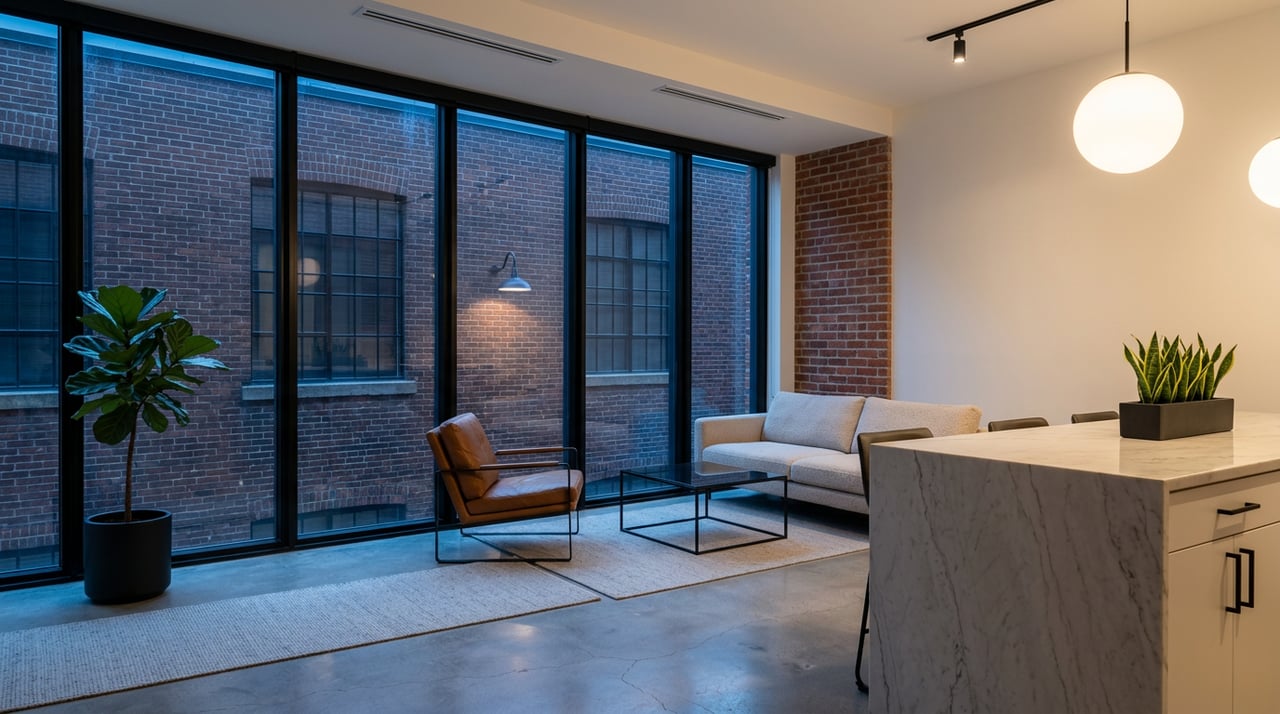
Converted warehouse lofts offer exposed brick, timber or concrete columns, tall ceilings, and large factory windows. Many sit close to Randolph and Fulton, which keeps you near dining and transit. Expect wide variation in finish level and soundproofing.
Timber and soft lofts
Some buildings were designed to deliver the loft look with newer systems. You get industrial style with modern construction, usually with better energy performance. Amenities and HOA fees vary by building.
New mid-rise and high-rise condos
Boutique and luxury towers deliver elevators, door staff, fitness centers, rooftop spaces, and package rooms. Pet amenities and parking can be available, but they raise monthly HOA costs. Higher floors often trade at a premium for light and views.
Townhomes and small walk-ups
Scattered pockets of low-rise condos and townhomes appeal if you want more square footage or multi-level living. These can be good fits if private entries and extra storage matter to you.
Price and amenity ranges
Entry-level one-bed lofts can appear at the lower end of West Loop pricing when available. Newer one- and two-bedroom homes trend higher, and top-floor or corner units often command premiums. Luxury amenities like concierge service, full fitness, and rooftop pools add comfort and raise HOA dues. Parking is a material cost driver whether it is deeded, assigned, or rented.
Parking realities
Dedicated garage parking is limited in core Restaurant Row blocks. Some buildings include a deeded space with the unit, while others require a separate purchase or a waitlist for rented stalls. Always confirm whether parking is deeded or assigned, the monthly or purchase cost, and any transfer rules with the association.
Getting around and commute
The Green and Pink Lines serve the area, including Clinton station near Ogilvie. Check the CTA’s Clinton station page for connections. Ogilvie and Union Station are a short walk or ride for many addresses, and you can review regional options on Metra’s overview. Many West Loop blocks score high for walk and bike access, which supports a car-light lifestyle as described in this car-free Chicago overview.
Nightlife tradeoffs near Restaurant Row
Randolph Street is lively well into the evening, and new concepts continue to refresh the mix, as noted in recent coverage of changes along Randolph. That energy is a plus if you love walk-to-dinner living. It can also mean late-night foot traffic, ride-hail activity, and more street noise. If you are noise sensitive, prioritize higher floors, courtyard or alley orientations, and units with double-pane or sound-rated windows.
HOA fees and what they cover
HOA dues often include building insurance, common utilities, exterior maintenance, elevator service, management, and contributions to reserves. Some buildings bundle heat, gas, or Internet, which can offset higher dues. The CFPB explains that HOA fees vary widely and that unpaid dues can carry serious consequences, so confirm exactly what is covered in each building you tour.
Reserves, assessments, and disclosures
A healthy reserve fund helps pay for big projects like façade work, roof replacements, and elevator modernizations. Thin reserves raise the risk of special assessments. Many buyer guides flag reserve studies and past assessments as key due diligence items. In Illinois, associations follow the Condominium Property Act; review the latest guidance and disclosures with your attorney and insist on the full resale package, including budgets, reserve study, rules, and any litigation details. You can reference the state statute text via LegiScan for context.
Smart touring checklist
Bring these questions to showings and request the HOA documents as part of your offer diligence.
Financial and governance
- What is the monthly HOA fee and what does it include (heat, water, gas, A/C, Internet, parking, storage)? See the CFPB’s overview of HOA terms.
- Can I review the last 3 years of budgets, the latest reserve study, and the current reserve balance?
- Have there been special assessments in the last 5 years? Are any being discussed now? Guidance on red flags is summarized in resources like this buyer checklist.
- What is the owner delinquency rate on dues and who manages the building?
- When are board elections and how active is owner participation?
Insurance, maintenance, and projects
- What does the master insurance policy cover and what is the deductible?
- Which capital projects are planned in the next 5 years and how will they be funded?
- Any recent building issues, such as water intrusion, elevator outages, pest control, or HVAC replacements?
Unit orientation and systems
- Which direction does the unit face and how does that affect noise and light? Is it street-facing, courtyard, or near an alley?
- Are the windows double-pane or sound-rated? What heating and cooling systems are in place and who controls the costs?
- Is parking deeded or assigned? If separate, what is the cost and is there a waitlist?
- Are there storage rights tied to the unit and what are the guest parking rules?
Lifestyle, leasing, and resale
- Are short-term rentals allowed? What are the leasing rules and owner-occupancy rate?
- What are the pet policies and are there any on-site pet amenities?
- Are there quiet hours or rules for deliveries and rooftop use?
Red flags and green lights
- Red flags: no reserve study, very low reserves for the building’s age or size, frequent special assessments, ongoing litigation, high delinquency, and limited soundproofing near Restaurant Row blocks. These items point to higher near-term costs or lifestyle friction.
- Green lights: healthy reserves with a clear capital plan, transparent meeting minutes, professional management, higher owner-occupancy, well-maintained amenities, and deeded parking if you need a car.
How to move forward with confidence
Focus your search by building type and street orientation, then line up comps for the specific stack and view you want. Tour at different times of day to test noise, elevator traffic, and parking. Review the full HOA package with your agent and attorney, and compare dues side by side with what they actually include.
Ready to explore West Loop condos near Restaurant Row with a clear plan? Reach out to Vergis Eiland for white-glove guidance, building-level insights, and a smooth path from tour to closing.
FAQs
What should I budget for West Loop HOA fees?
- HOA dues vary by building and amenities. Confirm what is included, such as heat, gas, Internet, door staff, and reserves, then compare across options.
How noisy is it to live near Randolph Street?
- Expect more evening and weekend activity. Choose higher floors, courtyard-facing units, and double-pane windows if you prefer a quieter home.
Is parking included with 60607 condos?
- Sometimes, but not always. Ask if parking is deeded, assigned, or rented, the cost, and any waitlist or transfer rules.
Which trains serve the West Loop and Fulton Market?
- The CTA Green and Pink Lines serve the area, including Clinton near Ogilvie, with Metra at Ogilvie and Union Station within reach for regional trips.
What HOA documents should I review before buying?
- Request budgets for recent years, the reserve study and balance, insurance summary, meeting minutes, rules, any special assessments, and details on litigation.
How do I compare prices across different buildings?
- Use building-level comps for the same stack, view, and parking status. Public snapshots vary, so recent resales in your target building are most reliable.