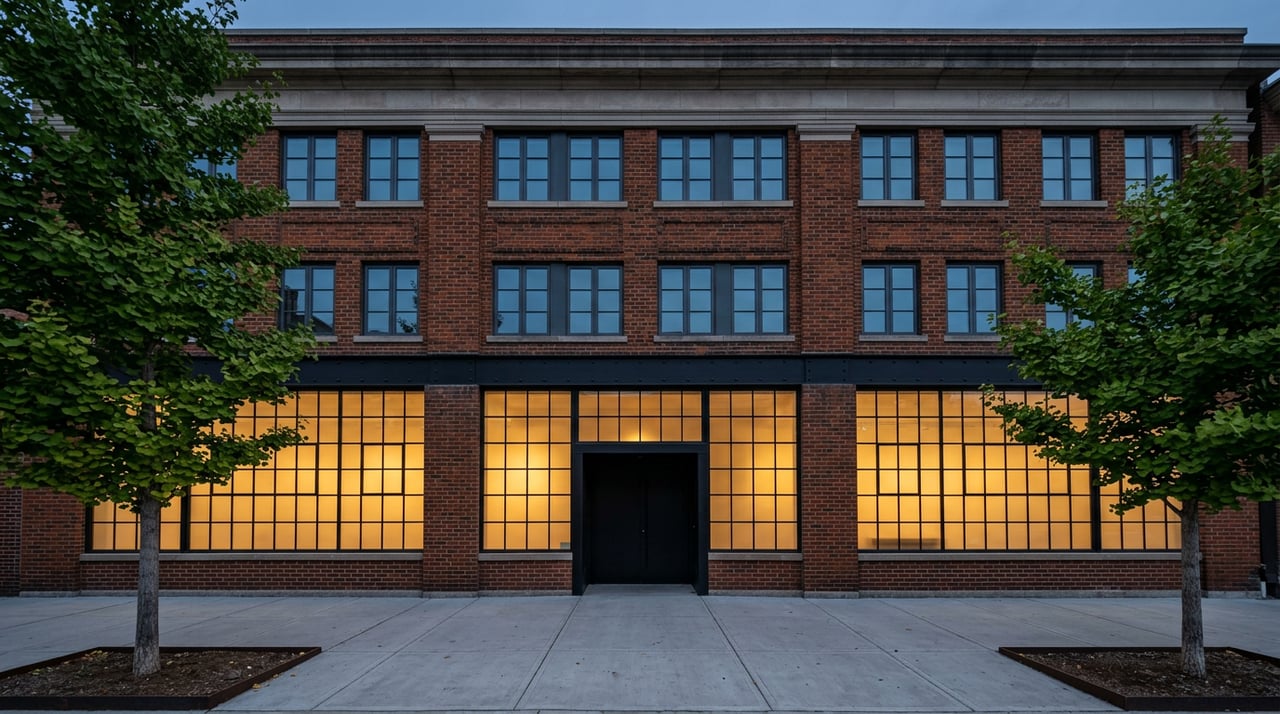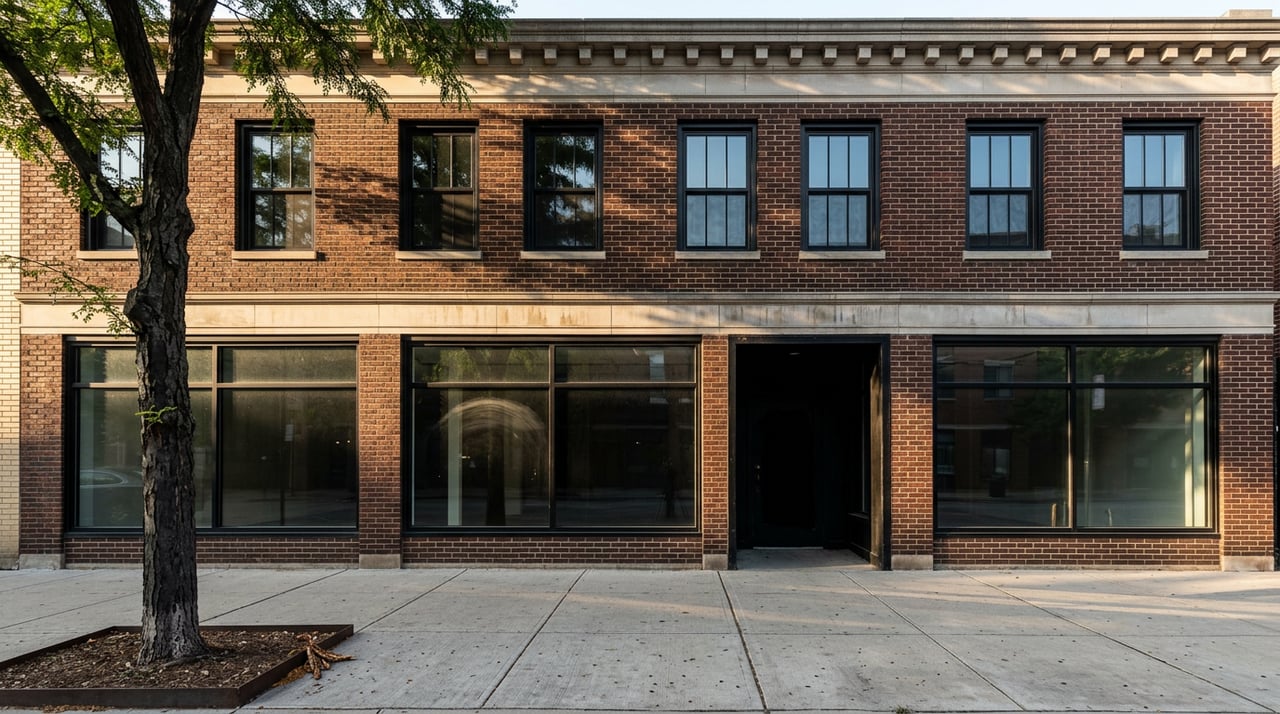
Thinking about a dramatic West Loop loft with soaring ceilings or a classic West Town three‑flat condo that could help offset your mortgage? You are not alone. Both options put you close to downtown, dining, and transit, but they live very differently day to day. In this guide, you will compare lifestyle, financing, building types, fees, parking, and resale factors so you can move forward with clarity. Let’s dive in.
Neighborhood vibes: West Loop vs. West Town
West Loop sits right by downtown and has transformed around Fulton Market and Randolph Street. You will find high‑amenity buildings, polished loft conversions, and new luxury condos. Many residents pick West Loop for its walkability to offices, vibrant dining, and a concierge feel.
West Town spreads northwest of the Loop and includes pockets often referred to as Ukrainian Village, East Village, and parts near Wicker Park and Bucktown. Housing here is mixed: greystones, three‑flats, small walk‑ups, newer low‑rise condos, and selective adaptive‑reuse. You often get more space for the money along with strong neighborhood retail on Division, Milwaukee, Damen, Chicago, and North.
Both areas appeal if you want a neighborhood scale near downtown. Your daily experience will come down to micro‑location, building type, and how you plan to use the home.
Home types at a glance
Timber and brick lofts
- What they are: Former warehouses or new builds with industrial style. Expect exposed beams, brick, very high ceilings, and large factory windows with open floor plans.
- Ownership: Usually condominiums, sometimes co‑ops. Many West Loop lofts are individual condo units inside larger converted buildings or mixed‑use developments.
- Lifestyle: Airy, flexible layouts that are great for entertaining. You may add storage or partitions for privacy. Sound transmission and privacy vary by building.
- Maintenance: Older conversions can have legacy HVAC, plumbing, insulation, or window issues. Timber structures may have specific fire‑safety retrofit needs. Always check building systems.
- Amenities: Ranges from simple to full‑service. Many West Loop buildings offer concierge, gym, roof decks, and garage parking. Fees vary widely.
Three‑flat condos and owner‑occupied three‑flats
- What they are: Three‑unit masonry buildings common across West Town and nearby streets. Layouts include one unit per floor, stacked condos, or duplex mixes.
- Ownership: Some are condo‑converted with each unit individually deeded. Others sell as a single three‑unit property to an owner‑occupant or investor.
- Lifestyle: More traditional rooms, standard ceiling heights, and close neighbor contact. If you own the whole building and live in one unit, the other units can produce rental income.
- Maintenance: Masonry is durable, but keep an eye on roof age, tuckpointing, porches, and mechanicals. In a single‑owner scenario, you handle all upkeep or hire a manager.
- Amenities: Typically modest. Think shared laundry, porches, small yards, and alley or garage parking where present.
Financing, fees, and rules you should know
Loans and approval paths
- Loft condos: Lenders review both your unit and the building’s condo project. Reserve levels, owner‑occupancy ratios, and litigation status can affect loan options. FHA‑backed loans often require that the building be on the HUD condominium approval list.
- Three‑flats: Owner‑occupied 1–4 unit buildings generally qualify for standard residential financing programs. Non‑owner purchases are usually under investment loan terms with higher down payments.
Practical tip: If you want rental income, discuss owner‑occupant financing for 2–4 unit properties early. If you love loft living, verify the building’s lending eligibility before you fall in love with a unit.
Monthly costs and reserves
- Condos: HOA fees usually cover common insurance, exterior maintenance, elevator service, and sometimes utilities and amenities. Fees are higher in amenity‑rich buildings. Watch reserves and any history of special assessments.
- Three‑flats: No HOA if you own the whole building. You pay for exterior, common utilities, insurance, taxes, and repairs. Rental income can offset costs, but you carry the risk of large capital projects.
Insurance, safety, and rental rules
- Lofts: Older timber or brick conversions may have specific code or fire‑suppression requirements that influence insurance costs. Confirm sprinkler presence and building updates.
- Three‑flats: If you rent units, you need landlord coverage and must meet local rental standards. Review the City’s building and rental guidelines at the Chicago Department of Buildings and the Department of Housing.
- Association rules: Condo bylaws often set rental caps, minimum lease terms, pet rules, and parking policies. Read declarations and meeting minutes before you commit.
Transit, parking, and daily ease
West Loop puts you near Ogilvie and Union Station, multiple bus routes, and an easy walk or bike to the central business district. Many residents find they can drive less. For route planning and service maps, check the CTA system maps.
West Town also provides strong access depending on the exact block, with CTA rail and bus options and short trips downtown by bike or train. Commute convenience will vary by address, so confirm specific routes and walk scores when you tour.
Parking differs. In West Loop, newer buildings may offer paid garage spaces that can be costly and limited. Street parking can be competitive. In West Town, many blocks include alleys and garages, and parking can be more available, but some streets use residential permit rules. Always verify parking availability and any ongoing costs before making an offer.
Who thrives where?
- You want loft drama and amenities: Focus on West Loop loft condos or industrial‑style buildings with concierge, fitness, and roof decks.
- You want more space and value per square foot: Look at West Town three‑flat condos or an owner‑occupied three‑flat with income potential.
- You plan to offset your mortgage with rent: An owner‑occupied three‑flat lets you live in one unit and rent the others, subject to city rules.
- You want newer systems and sleek finishes: Newer West Loop condo developments or recently converted loft buildings may fit best.
- You prioritize neighborhood retail and indie shops: West Town’s Division, Milwaukee, Damen, and Chicago Avenue corridors offer abundant options, while West Loop centers on Randolph and Fulton Market. For dining inspiration, browse Eater Chicago.
Due diligence checklist
If you are buying a loft condo
- Review association documents: reserves, budgets, meeting minutes, litigation, special assessment history, and rental policies.
- Ask what HOA fees include and whether utilities are individually metered.
- Inspect for historic‑building issues: roof, windows, HVAC design, moisture, sound transmission, and fire‑safety upgrades.
- Confirm parking: deeded or assigned, monthly garage costs, and guest options.
If you are buying a three‑flat (condo or whole building)
- Review leases and rent roll if applicable. Check utility metering for each unit.
- Inspect roof, masonry tuckpointing, porches, decks, and mechanicals.
- Verify compliance with city rental standards and any required registrations.
- Underwrite vacancy, maintenance reserves, and capital improvements.
For both options
- Confirm transit access and commute times from the exact address.
- Price insurance based on building type and systems.
- Scan nearby development activity that could change traffic, noise, or light.
- Align financing with your plan to occupy or rent.
Putting it together
If you crave high ceilings, skyline views, and building amenities near downtown offices and restaurants, a West Loop loft can be a great fit. If you want space, versatility, and a path to rental income at a more accessible entry point, a West Town three‑flat is hard to beat. Your best choice comes down to how you live today and how you want your property to perform over time.
Ready to compare real listings and run the numbers on fees, rents, and resale potential? Connect with Vergis Eiland for a clear, client‑first plan to tour both options and choose with confidence.
FAQs
What is the biggest financing difference between a West Loop loft condo and a West Town three‑flat?
- Condo loans often require project approval and stronger building finances, while owner‑occupied 1–4 unit three‑flats typically qualify for standard residential programs; non‑owner purchases are treated as investments.
What do HOA fees in West Loop loft buildings usually cover?
- Fees commonly include common insurance, exterior maintenance, elevator service, and sometimes utilities and amenities like a gym or roof deck; specifics vary by building and should be verified in the budget and bylaws.
Can I rent out my unit in a loft condo or a three‑flat?
- Condo bylaws may cap rentals or set minimum lease terms, while three‑flat owners have more flexibility but must follow Chicago landlord‑tenant rules and property standards.
How does parking typically work in West Loop vs. West Town?
- West Loop often relies on paid garage spaces and competitive street parking; West Town may offer more alley and garage options depending on the block, so confirm availability and costs for each address.
Which holds value better: a loft condo or a three‑flat?
- Both can perform well. Loft condos track neighborhood demand and amenities, while three‑flats appeal to investors and owner‑occupants for income potential; your results depend on micro‑location, condition, and market timing.
Are lofts noisier than three‑flat condos?
- Sound levels depend on building construction and upgrades; in lofts, open plans and hard surfaces can transmit sound, so ask about floor assemblies, unit separation, and any soundproofing improvements.